How Grounding System Testing Works
June 9, 2020
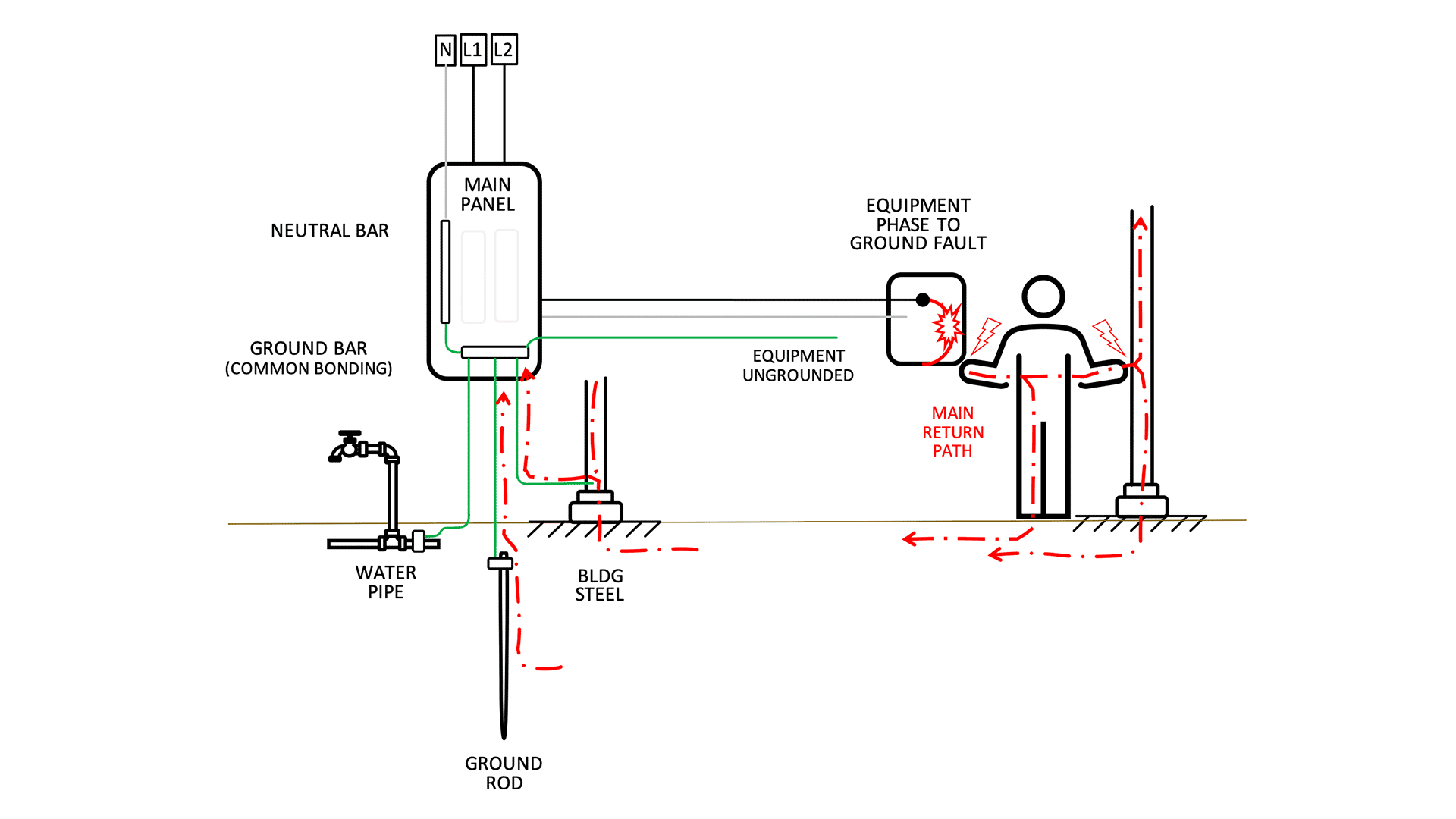
The grounding system in a typical home consists of the equipment grounding conductors and grounding electrode that are connected to…


Lightning Protection Systems (LPS) are increasingly essential in today’s world of sophisticated architecture and advanced technology. Modern facilities must be designed for operational resilience, and that includes lightning resilience. Too often, however, these systems are overlooked or deliberately omitted due to the misconception that they are “ugly” or disruptive to a building’s design. In reality, with modern techniques, innovative components, and early-stage planning, you can seamlessly integrate an NFPA 780 compliant Lightning Protection System into almost any structure without sacrificing the building’s aesthetic integrity.
A principal reason for this shift is the use of new and refined mounting systems, such as VFC’s Vertstick product line. Vertstick offers flexible options that enable lightning protection components to blend harmoniously with a building’s contours. Concealed coping products can also be used to hide conductors and other crucial system elements. Additionally, architects and engineers can choose from fiberglass or steel masts that suit both the functional requirements and the design style of the building. In many cases, even existing architectural elements, like rooftop ornamentation or metal railings, can serve as strike termination devices, further reducing the visual footprint of the LPS.
Early comprehensive system design is key. By planning a lightning protection layout at the earliest stages of the project, architects and engineers can quite literally build the system into the structure. This forward-thinking approach helps ensure that conduits, cables, air terminals, and bonding connections are planned to be as unobtrusive as possible. When done correctly, the LPS can be so thoroughly integrated that those unfamiliar with the building’s details may not even notice it. The result? A cutting-edge facility with robust lightning protection capabilities without unsightly protrusions or visible clutter.
At VFC Lightning Protection, we see the demand for such integrated solutions on a daily basis. Last year alone, we provided quotes for over 5,000 projects nationwide. Surprisingly, more than 75% of these lacked an adequate design package for lightning protection in the construction documents. This indicates a widespread need for a paradigm shift in how the industry perceives and implements lightning protection, moving away from last-minute add-ons to a true design collaboration with architects, engineers, and building owners.
As modern architecture continues to push the boundaries of creativity and functionality, the need for an equally modernized lightning protection strategy grows. An LPS designed according to NFPA 780 not only ensures compliance with recognized safety standards, but also contributes significantly to preserving operational continuity. When lightning strikes, the downtime cost for repairs or worse, catastrophic structural damage, can derail business operations. A well-conceived and discreetly implemented system offers peace of mind for facility owners, managers, and occupants alike.
Going forward, the industry must embrace comprehensive designs that allow for both technical efficiency and architectural harmony. Lightning protection systems should no longer be relegated to the status of an “optional” or “unattractive” accessory. Instead, they should be viewed as an essential component of modern resilience planning.
If you’re looking to integrate a thoroughly planned and aesthetically pleasing lightning protection system into your next project, contact your regional VFC salesperson or email us at sales@vfclp.com. Let’s work together to make lightning protection a seamless part of your building’s design.