

SMART LIGHTNING PROTECTION
Experience unmatched insight and protection with VFC’s state-of-the-art Smart Lightning Protection System, “LIGHTNINGLINK™”. This revolutionary system, fully compliant with NFPA 780, monitors grounding integrity, detects lightning events instantly, and receives proactive monthly updates, ensuring your lightning protection is not just secure but intelligently managed. Welcome to smarter lightning protection, designed for the connected world.
WHY SMART LIGHTNING PROTECTION?
In today’s world, businesses everywhere are investing in structural lightning protection systems at an unprecedented rate, because resilience matters and downtime simply isn’t an option. Yet, while NFPA 780-certified systems offer decades of security on paper, traditional solutions are too often installed, certified, and then forgotten. Environmental factors, unexpected interference, maintenance lapses, and weather events can all compromise system integrity, potentially leaving your facility unprotected when it matters most. VFC’s LightningLink™ is the solution.
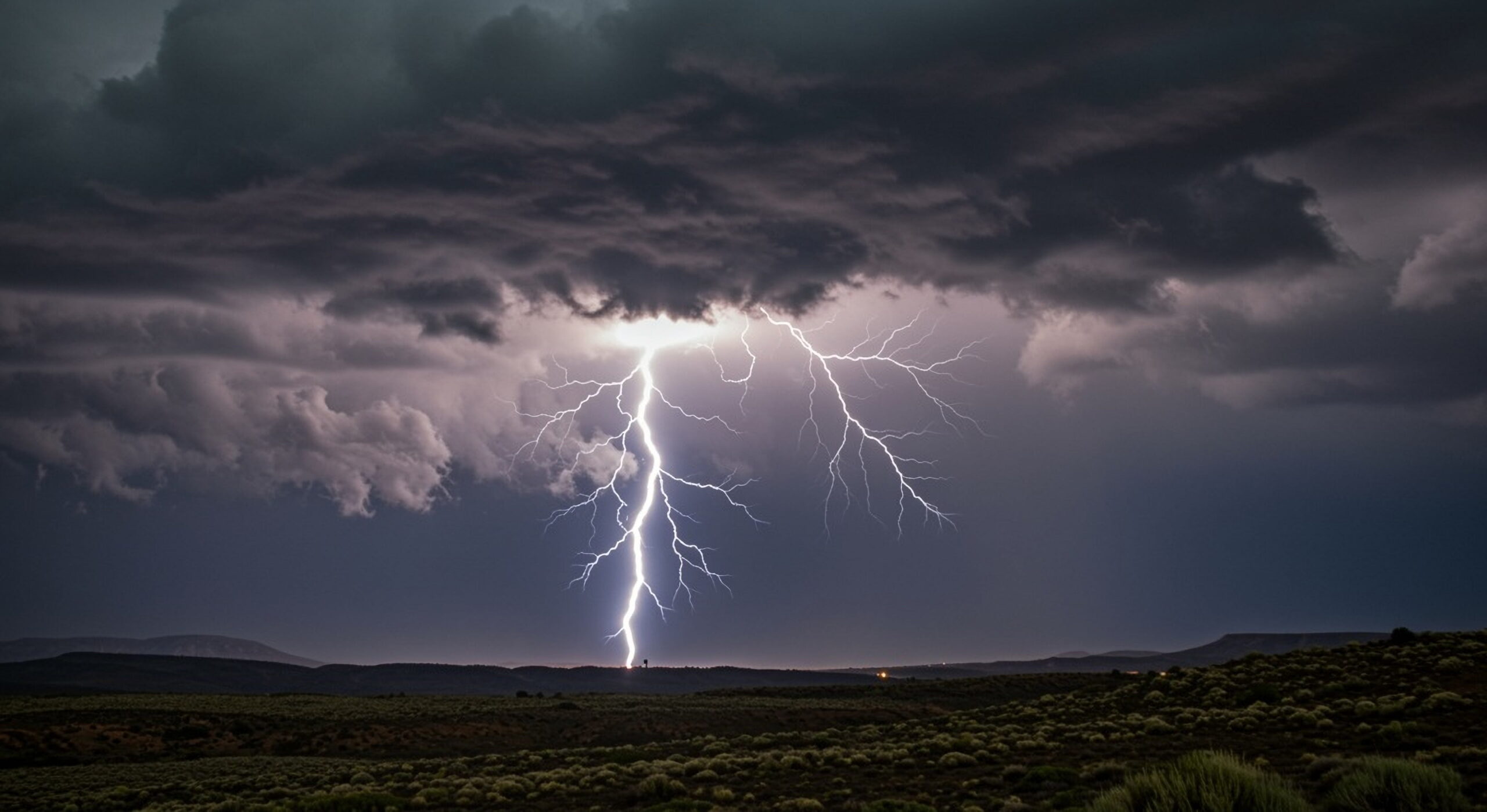
HOW DOES SMART LIGHTNING PROTECTION WORK?
This revolutionary system, fully compliant with NFPA 780, merges the Lyncole GRM 2500™ Ground Resistance Monitor, our precision-engineered StrikeSense™ Lightning Detector, and the Lyncole Smart Monitor Portal to deliver real-time data directly to your fingertips.
NO MONTHLY OR ANNUAL FEES
Introducing VFC Group’s Smart Lightning Protection System, advanced lightning protection and peace of mind, without extra ongoing costs. It proactively monitors your grounding system, detects lightning strikes, and provides clear monthly status updates and timely inspection reminders. With minimal upfront costs, and no monthly or annual fees after installation. Simply provide us with a contact, and we’ll handle the rest. Protection just got smarter, without getting more expensive.
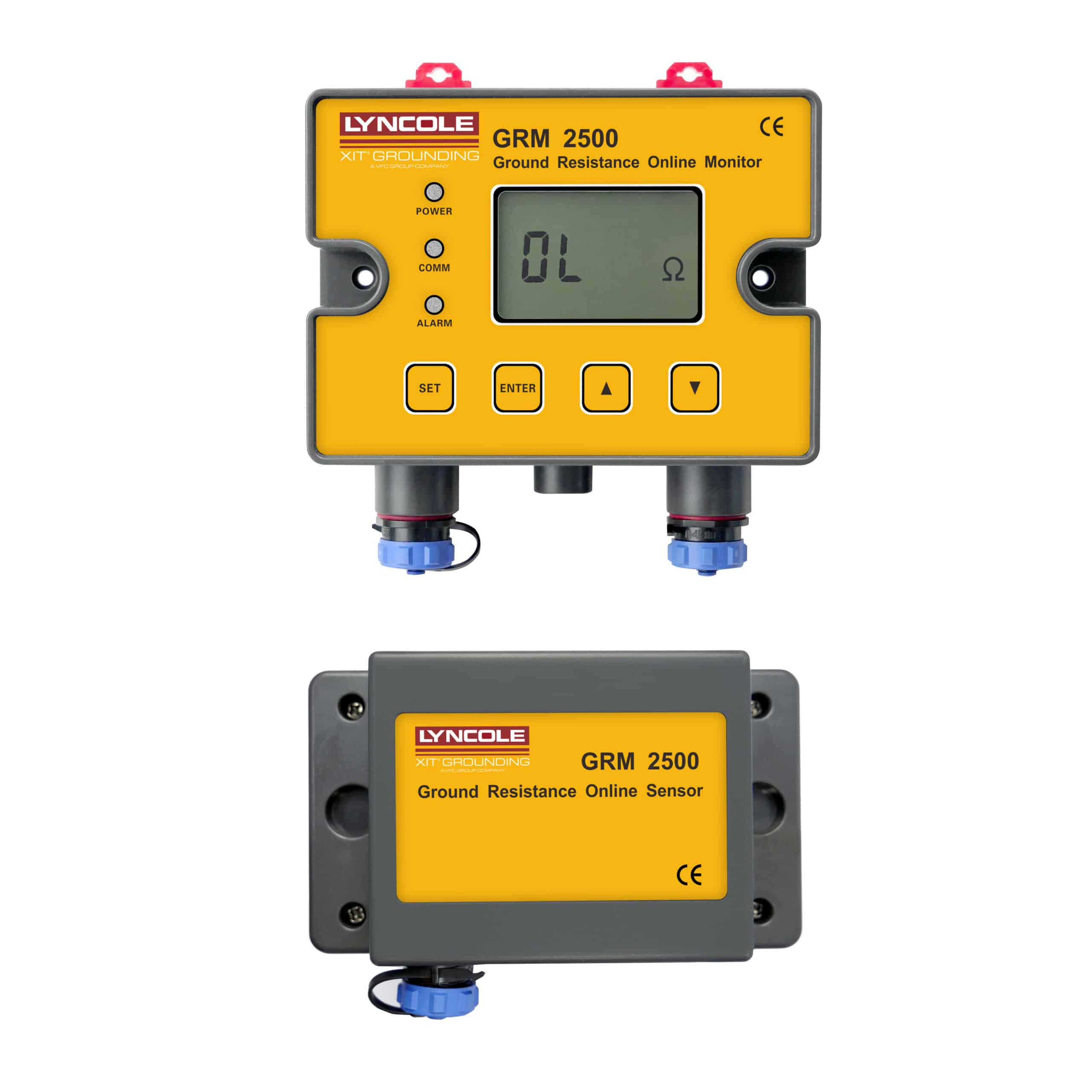
GRM 2500™
Ensuring the Grounding
Conductor’s Continuity to detect breaks or vandalism
Analyzing Current Flow
Within interconnected grounding networks
Assessing Leakage Currents
in industrial systems to optimize machinery maintenance
Evaluating the Extent of Electrical Noise
that could lead to equipment malfunctions
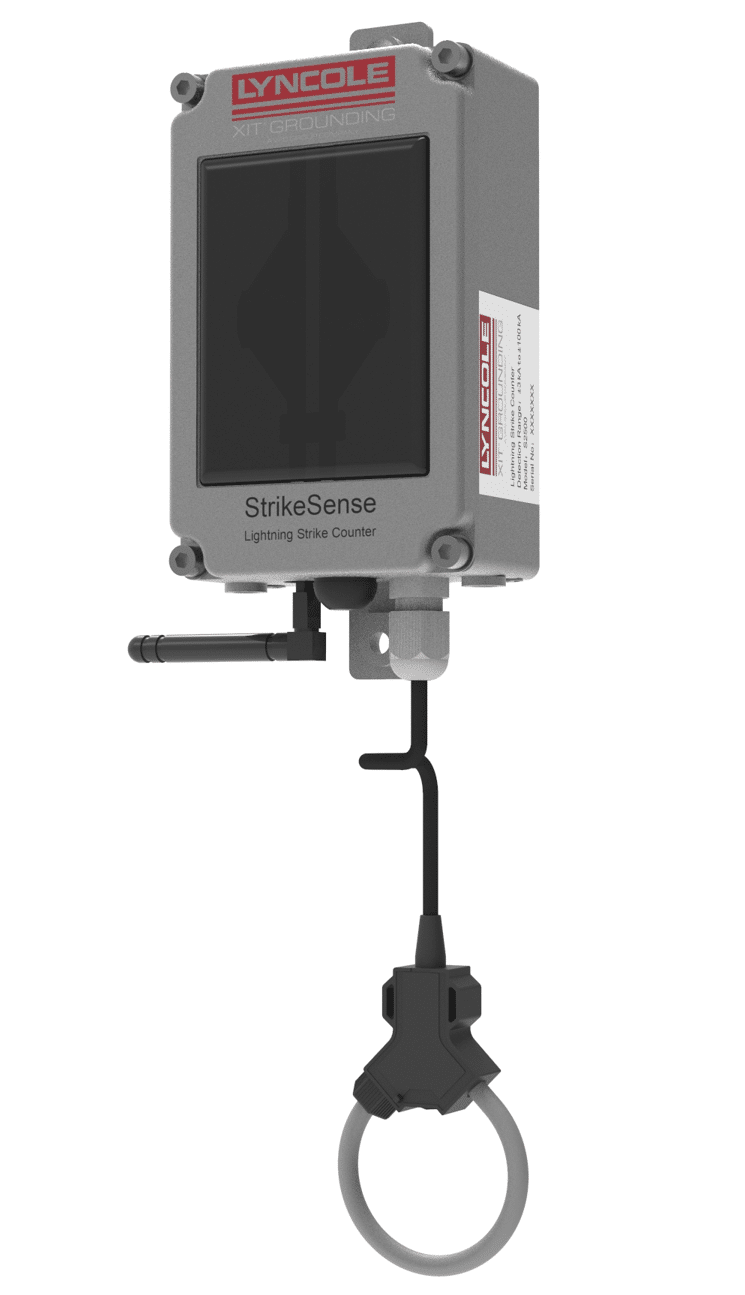
StrikeSense™
Data Collection
Ongoing monitoring of electrical activity in the down conductors of lightning protection systems where a Smart Lightning Logger is installed.
Accurate Diagnostics
Local data is transmitted to the cloud, where advanced algorithms analyze it to deliver real-time lightning strike alerts.
Detection and Analysis of Each Recorded Lightning Strike
StrikeSense is a smart logging device that continuously monitors the activity in the down conductor of the lightning protection system, providing information for each lightning strike on current, polarity, date and time.
Automated Cross-Platform Notifications
The processed data is delivered to the user through the Lyncole Smart Monitor Portal, enabling immediate inspections to assess urgency and determine the appropriate response. It also supports early repairs and thorough incident analysis.

INTRODUCING THE LYNCOLE SMART MONITOR PORTAL
Experience the future of lightning protection with the Lyncole Smart Monitor Portal. Effortlessly connect any Lyncole Smart device or system, anywhere across the United States, using a simple cellular connection. Enjoy the confidence of near real-time system updates, monitored by our expert team, so you’re always informed about your system’s status. Prefer to manage multiple devices yourself across various locations? The portal gives you that flexibility too. With Lyncole, smart protection is always within reach, no matter where you are.
The Role of Lightning Protection: Safeguarding Our Digital World
As the frequency and intensity of lightning events increase, implementing advanced lightning protection systems becomes imperative for operational Lightning Resilience. These engineered solutions are purpose-built to mitigate the risk of lightning-induced faults, asset degradation, and service interruptions.
Direct Strike Protection
This strategy incorporates the deployment of air terminals (lightning rods), overhead ground wires, and other strike termination devices strategically placed on and around the structure. Air terminals initiate upward streamers to intercept descending stepped leaders from thunderclouds, forming a controlled ionized path for the lightning current to travel.
Grounding (Earthing) Systems
A professionally designed grounding system, typically comprising copper-bonded ground rods, ground plates, or deep-driven electrode arrays, facilitates rapid dissipation of lightning current into the earth. Ground resistance values are engineered below 5 ohms, following IEEE and NFPA 780 standards, to ensure minimal ground potential rise and eliminate hazardous touch and step voltages. Equipotential bonding connects all metallic systems, reducing differences in potential and limiting flashover risk within the facility.
Continuous Monitoring and Preventative Maintenance
Lightning protection is not a static, set-and-forget solution; it requires ongoing system health monitoring and regular assessment. Maintenance schedules, aligned with NFPA 780 and IEC 62305 recommendations, include annual or semi-annual site audits, system recertification, and immediate remediation of identified vulnerabilities.
Surge Protection Devices (SPDs)
Type 1 and Type 2 SPDs are installed at main service entrances and distribution panels to safeguard power, signal, and communication lines. Networked monitoring ensures real-time health diagnostics of SPD modules, prompting timely replacement upon end-of-life indication.
Now with VFC’s LightningLink this final piece is complete
Facilities adopting VFC’s LightningLink Smart Lightning Protection System can effortlessly monitor and maintain these critical systems.
Applications
Where to apply Smart Lightning Protection
- Technology: Computers, electric or electronic controls, emergency alarm or security systems.
- Infrastructure: Harbors, airports, trains, roads, highways, and cable railway.
- Industrial Processes: Prevention of loss in industrial process and operations.
- Continuity of Service: Operations where basic service continuity has to be assured: telecommunications, power supply, energy transport and distribution, health and emergency services.
- Hazardous Products: Prevention of serious accidents involving hazardous products and processes (flammable, radioactive, toxic, and explosives)
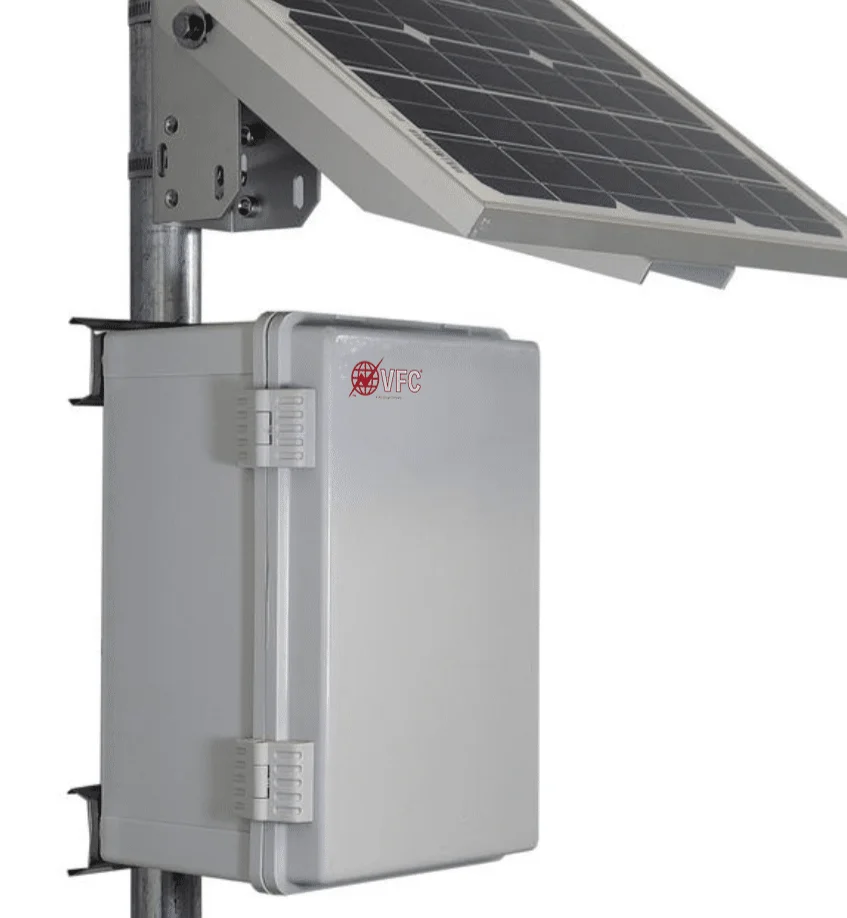

Get in Touch With Our Experts
Need some help finding the resources that are right for you? Contact us today to speak with one of our experts.