Causes and Mitigation of Corrosion on Buried Copper
June 17, 2020
Everyone, at sometime in their life has probably found an old penny on the ground and picked it up. Unless…

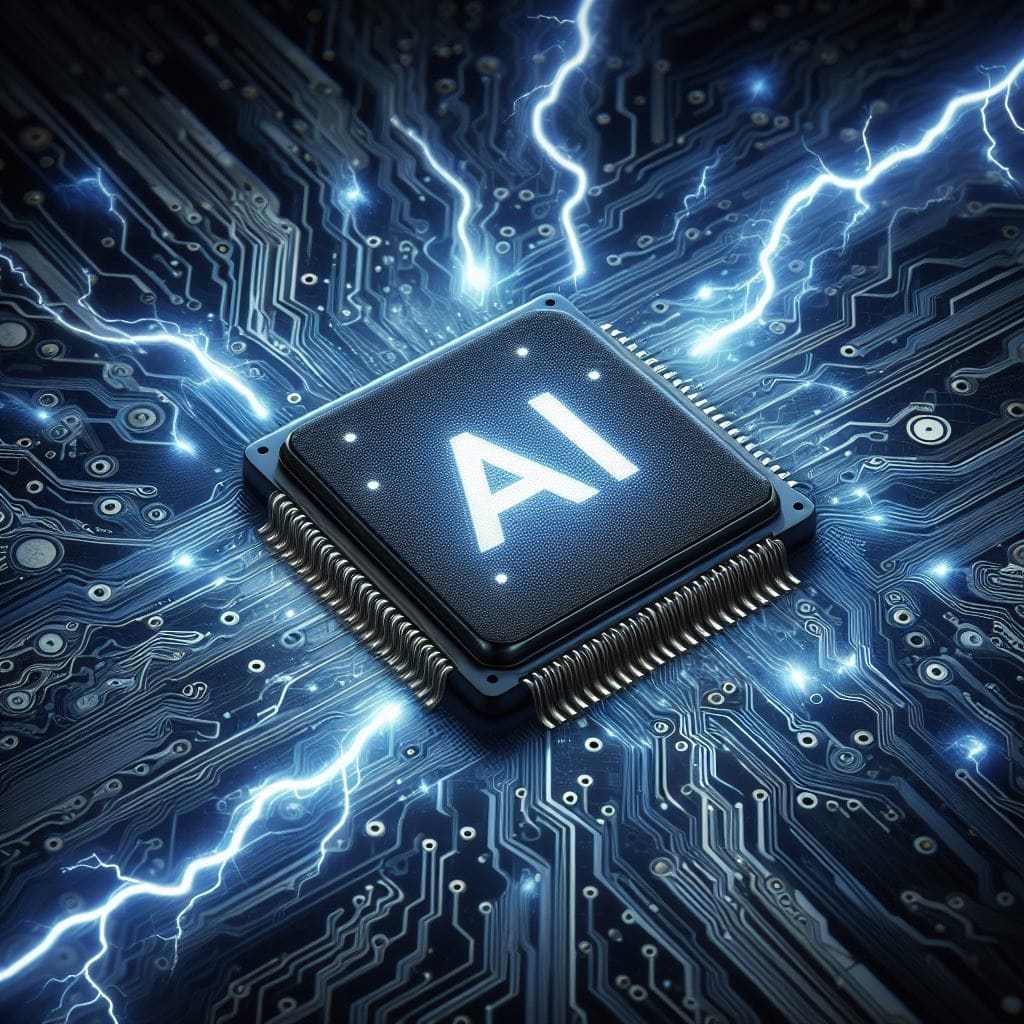
As we delve deeper into the Artificial Intelligence (AI) era, our reliance on computing power is skyrocketing. This surge is fueled by AI chips, which are designed differently from traditional processors. These chips boast a higher number of, often smaller, cores tailored for parallel data processing. This architecture is pivotal in handling the complex algorithms and vast data AI systems require. However, this shift towards smaller, more powerful chips brings with it an increased vulnerability to natural phenomena like lightning and transient currents.
The frequency of lightning strikes is on the rise, a trend that poses a growing threat to the AI industry. With their intricate circuits, these smaller chips are more susceptible to the damaging effects of lightning-induced surges and transient currents. The impact of such events can range from temporary disruptions in service to permanent damage to the hardware, leading to data loss and costly downtime.
This heightened sensitivity necessitates more robust protection measures against lightning and transient currents. One of the critical components of such protective measures is the bonding and grounding systems. Properly designed and maintained grounding systems are essential for ensuring the safe operation of AI hardware. These systems typically require a systems-to-ground resistance level between 3 to 5 ohms, a standard that helps safely dissipate electrical energy from lightning strikes.
Surge Protective Devices (SPDs) are another vital layer of defense. These devices are designed to protect electrical equipment from voltage spikes. However, their effectiveness is heavily reliant on the quality of the grounding system. A low-resistance grounding system ensures that SPDs can function optimally, diverting the excess electrical energy away from sensitive AI chips.
Moreover, no lightning protection system is complete without a comprehensive structural Lightning Protection system, as outlined in the National Fire Protection Association (NFPA) 780 standards. This standard provides guidelines for the installation of systems designed to protect buildings and occupants from surges, transient currents, and fire hazards associated with lightning strikes. Implementing such systems in facilities where AI chips are manufactured and utilized is becoming increasingly crucial. NFPA 780 is a baseline, and engineers and facility owners shouldn’t shy away from designing and implementing even more robust systems, given the unique sensitivity of this equipment.
As we progress, the future of AI and AI chips will be significantly influenced by the resilience of the facilities in which they are created and operated. Ensuring these facilities are equipped to handle the challenges posed by lightning and transient currents is not just a matter of safeguarding equipment; it is about securing the future of AI itself.
As AI continues to integrate into every aspect of our lives, from healthcare to transportation, the need for reliable and uninterrupted operation becomes paramount. Investing in advanced lightning protection systems is not just a preventive measure but a strategic move to ensure the longevity and reliability of AI technologies. The AI revolution is upon us, and its success will depend as much on the resilience of its infrastructure as on the innovation of its algorithms.