Lightning Risk Assessments: What You Need to Know
July 1, 2020
Though the National Electrical Code (NEC) and most local building codes do not require lightning protection, property owners and facility…

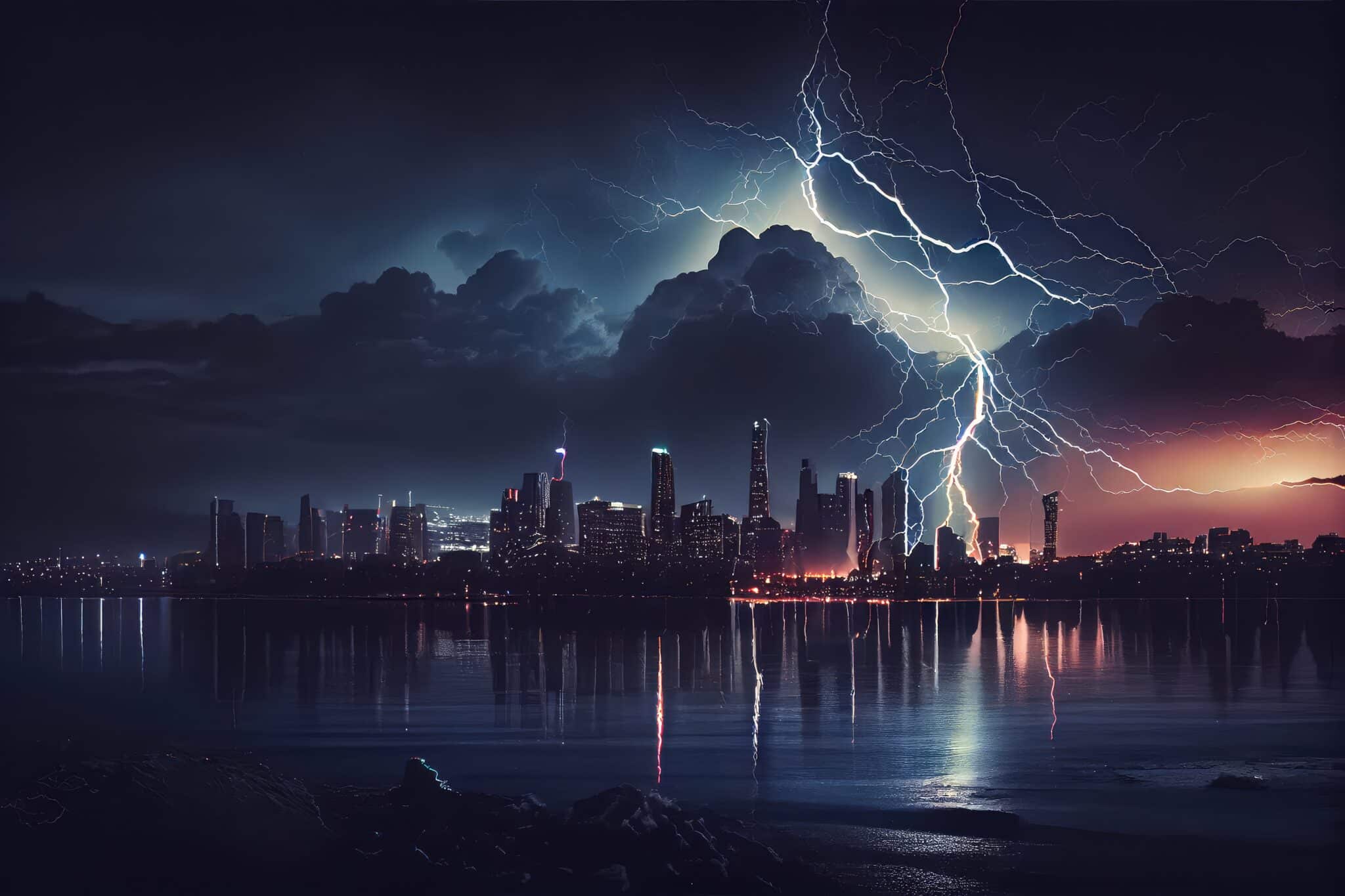
In recent years, the relentless march of urbanization has led to the mushrooming of mega-cities worldwide. This phenomenon has not only reshaped the socio-economic landscape but has also been implicated in increasingly frequent thunderstorms, a climatic manifestation that cities must now learn to navigate.
Our planet is witnessing unprecedented urban growth, with over half the global population now residing in cities. This percentage is projected to rise to nearly 70% by 2050. This rapid urbanization, while bringing numerous benefits, profoundly impacts local climates. The creation of mega-cities, characterized by extensive concrete and asphalt surfaces and a lack of vegetation, generates what scientists refer to as “urban heat islands” (UHIs).
UHIs occur when city areas become significantly warmer than their rural surroundings due to human activities. The extensive use of concrete and asphalt, which absorb and re-radiate heat, coupled with heat generated from vehicles and industry, leads to higher temperatures in urban areas. The heated urban surfaces warm the overlying air, creating a dome of warm air over the city.
This warm dome interacts with the cooler air from the surrounding rural areas, leading to increased atmospheric instability, a key ingredient for thunderstorm formation. Research has shown that this instability, coupled with the additional lift provided by the city’s tall buildings, increases the frequency and intensity of thunderstorms over urban areas1.
A recent study revealed that mega-cities like Houston and Beijing experienced a marked increase in thunderstorm activity compared to their less urbanized surroundings2. This increase in thunderstorms poses several challenges. In addition to the obvious risks of lightning strikes in a modern electronic-dependent society, these storms bring heavy rain that can overwhelm urban drainage systems, leading to flash floods.
Furthermore, the increased frequency of thunderstorms contributes to a rise in urban air pollution. Thunderstorms are known to produce nitrogen oxides, a key component of smog. With the already compromised air quality in many mega-cities, this adds an additional burden on efforts to improve urban air quality.
In conclusion, as urbanization continues to progress, its influence on local climates and weather patterns becomes more profound. The unexpected consequence of increased thunderstorm activity underscores the need for facilities and operations to become resilient to lightning damage. Modern comprehensive Lightning Protection Systems can mitigate this ever-increasing risk.
(1) Cities can spawn more thunderstorms, a study says – Phys.org. https://phys.org/news/2015-02-urbanization-affect-thunderstorms.html.
(2) Lightning hazards to human societies in a changing climate – Yoav Yair –. 2018