Lightning Protection Codes, Standards, and Regulations
July 15, 2020
One of the most significant dangers to buildings and construction sites is lightning. The sheer power and voltage behind a…

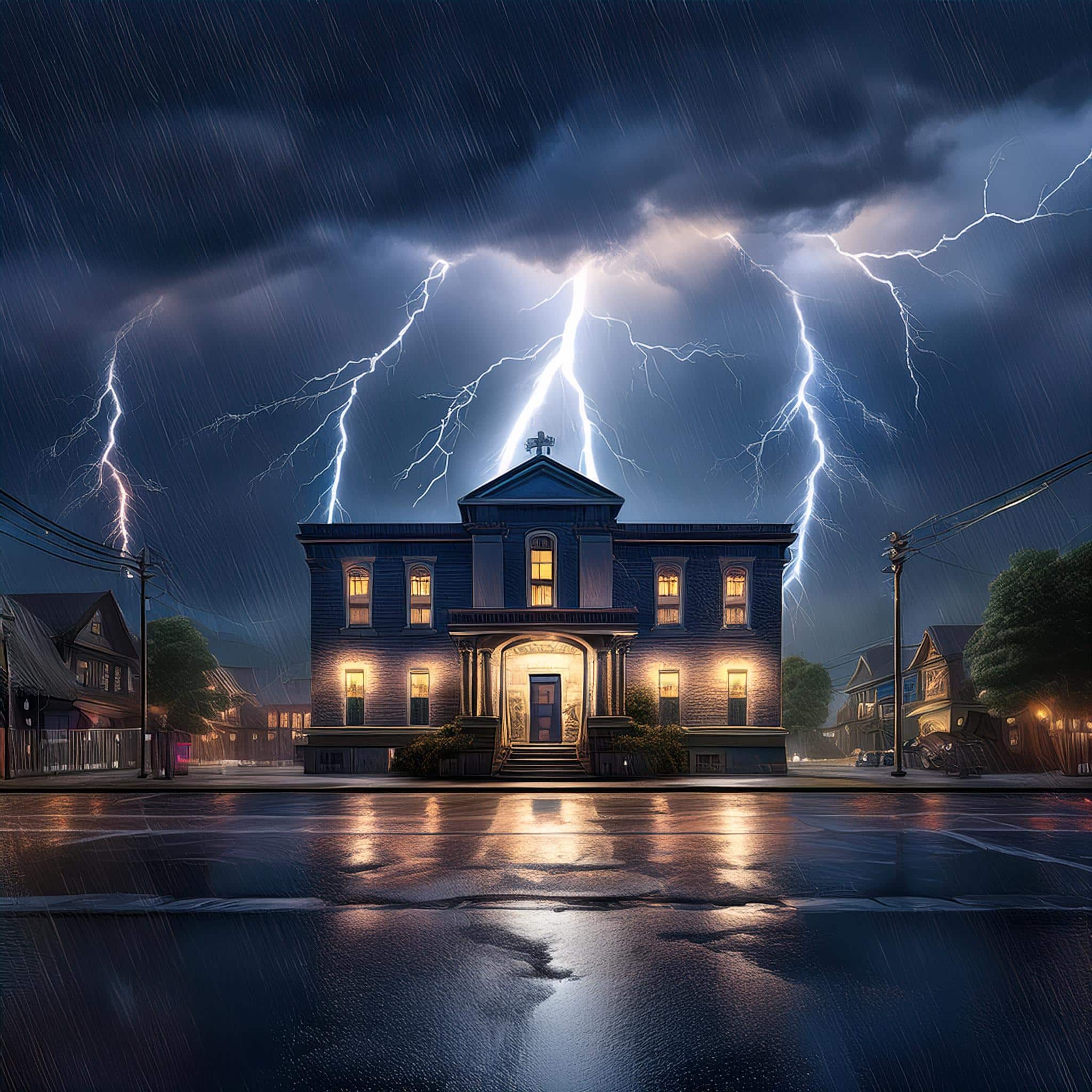
Government agencies and federal entities have long recognized the need for robust safety standards, particularly concerning critical facilities and infrastructure. Critical facilities are essential components of a community’s operational backbone, providing services that support public health, safety, and security. Consequently, the protection of these structures is paramount to maintaining the community’s well-being. Among the risks facing these facilities, lightning is a significant threat, ranking only second to flooding in terms of frequency and potential damage.
To mitigate the impact of lightning strikes, lightning protection systems (LPS) should be considered an essential part of the infrastructure of critical facilities. A lightning strike can disrupt vital services, jeopardize public safety, and damage expensive equipment. Therefore, these systems are not only practical but necessary. Ensuring compliance with the National Fire Protection Association (NFPA) 780, which provides the standard for the installation of lightning protection systems, is vital to safeguarding critical infrastructure across the United States.
What Are Critical Facilities?
According to the Federal Emergency Management Agency (FEMA), critical facilities encompass a wide range of structures, each serving an essential role in the functioning of communities. These facilities include:
1. Emergency Operations Centers (EOCs) – The hubs of disaster response coordination.
2. Fire and Police Stations – First responders need uninterrupted operations.
3. Hospitals and Critical Medical Facilities – Vital for patient care and emergency medical services.
4. Public Works Facilities – Including water treatment plants and transportation infrastructure.
5. Telecommunications Facilities – Service providers and data centers ensure connectivity.
6. Hazardous Material Storage and Processing Sites – Safety and containment are critical to preventing secondary disasters.
7. Government Buildings – Facilities like courthouses and city halls are essential for governance and decision-making.
8. Educational Institutions – Schools and universities provide shelter and continue functioning post-disaster.
9. Energy Facilities – Power plants and fuel refineries must maintain operations to prevent widespread outages.
10. Financial Institutions – Banks and stock exchanges keep the economy moving during a crisis.
11. Transportation Facilities – Airports, seaports, and stations ensure mobility in emergencies.
Given their importance, protecting these facilities from lightning strikes is not a luxury but a necessity.
Lightning Protection Systems: A Regulatory Imperative
The Lightning Protection Institute (LPI) emphasizes the need for LPS in critical structures. As the frequency and severity of lightning strikes increase in various regions, LPS should be viewed as essential safeguards, much like fire alarms or sprinkler systems. Just as these systems mitigate fire damage and reduce human risks, lightning protection systems prevent direct lightning strikes from wreaking havoc on critical infrastructure.
FEMA has been instrumental in underscoring the importance of higher regulatory standards for these facilities. Documents such as FEMA’s guidance on hazard mitigation planning highlight the need for enhanced protective measures, including LPS, to ensure the continued functionality of critical infrastructure during and after severe weather events. The failure of even a single facility, such as a call center or fire station, could have cascading effects on the community’s ability to respond to emergencies.
Protecting Communities with Robust Standards
Critical facilities must remain operational before, during, and after storms. By comparing the role of LPS to that of fire alarms and sprinkler systems, it becomes clear that lightning protection should be a regulated standard across the country. Just as the installation of fire safety systems is mandatory, so too should lightning protection systems be required in areas with lightning activity.
LPS serves as a preventive measure, ensuring that the risks posed by lightning are minimized. By reducing the likelihood of structural damage and service disruptions, these systems help communities avoid costly repairs, service outages, and even loss of life. Therefore, implementing lightning protection standards across critical infrastructure is not just a matter of safety; it is a public responsibility.
Conclusion
Lightning protection systems are a crucial component in protecting critical facilities from unpredictable and destructive natural events. With the proper standards in place, including NFPA 780, communities can ensure that their most vital services remain operational, even in the face of severe storms. The need to protect essential infrastructure is more important than ever, and lightning protection must become a standard part of the safeguarding process for critical facilities.