How Old is Your Grounding System?
April 22, 2024
The Crucial Role of Grounding System Integrity in Facility Safety and Operation Understanding the age and condition of your facility's…

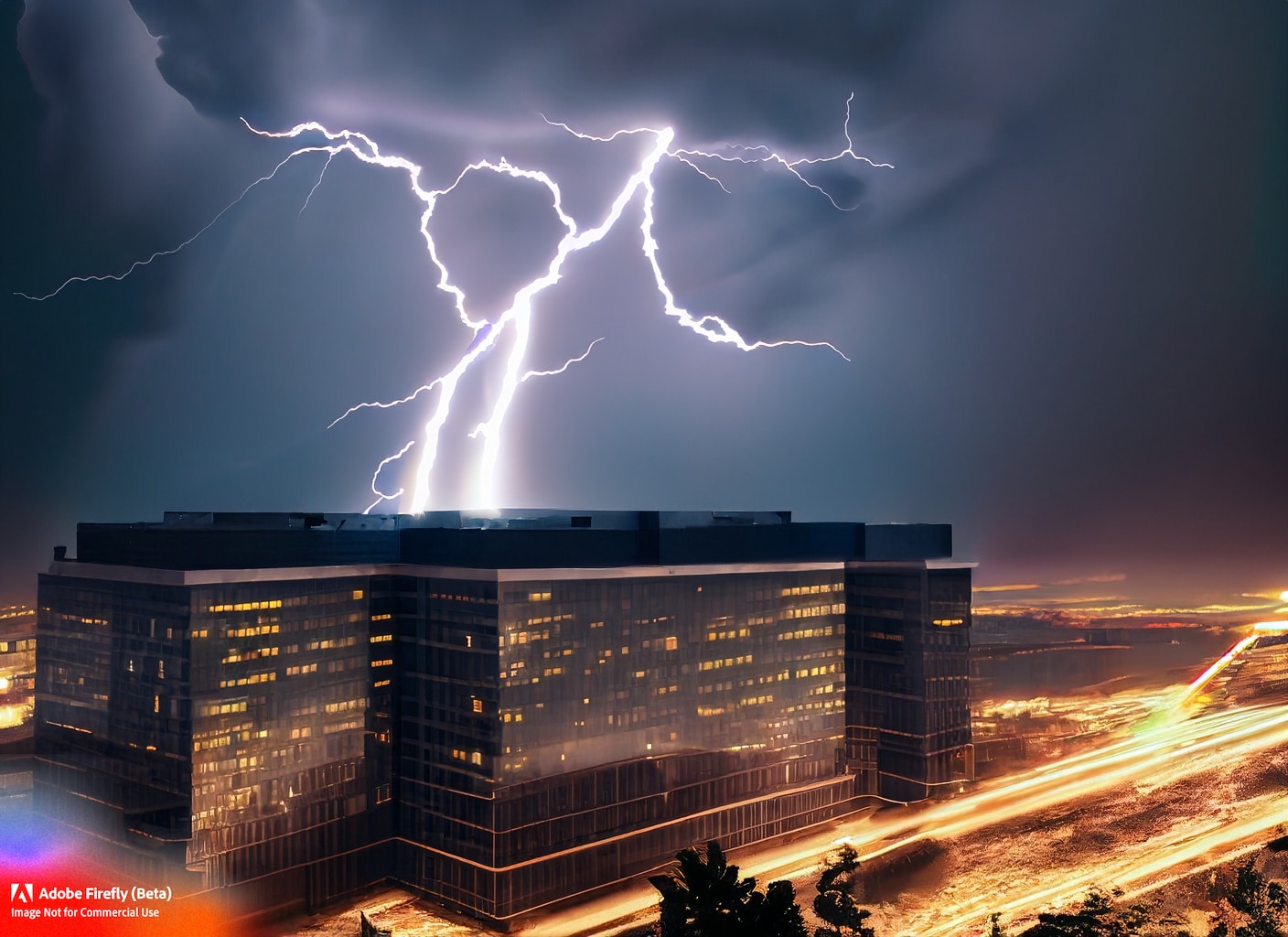
The ability of businesses to recover from external shocks and continue to operate seamlessly has become a critical factor in determining success and longevity. Business resilience, which entails designing systems, processes, and operations to prevent or quickly recover from disruptive incidents, is a concept that has gained significant attention, especially in the wake of climate change and other adverse environmental conditions. One such threat is lightning, which can inflict severe damage on businesses, primarily those relying heavily on electronics and electrical systems. Therefore, lightning damage resilience becomes an integral part of creating robust business operations.
Every year, businesses across the globe lose millions due to lightning-induced damages, which can range from hardware damage to data loss, causing significant downtime. Apart from direct physical damage, lightning can induce power surges that can destroy electronic systems, causing costly disruptions. In today’s digitized world, where most businesses are reliant on computers and digital infrastructure, the repercussions of a lightning strike are vast and devastating. The direct and indirect costs of lightning damage can cripple a business and significantly hamper its growth.
Resilience against lightning damage begins with a proactive approach toward risk assessment and implementing adequate safeguards. Primarily, this involves the installation of lightning protection systems and surge protection devices. A comprehensive lightning protection system safeguards the structural integrity of the building, the people within it, and also the electronic systems and equipment. These devices act as a first line of defense by providing a path of least resistance, directing the surge safely into the ground.
However, protection against direct strikes isn’t enough. The indirect effects of lightning can still affect electrical installations through power lines, telecommunication networks, and other metallic conductors. Hence, surge protection devices (SPDs) are crucial to shield sensitive electronic equipment from these destructive power surges.
But physical protection mechanisms are only part of the story. A genuinely resilient business operation also involves strategic planning and robust recovery procedures. Businesses should maintain regular backups of critical data and run simulations of recovery procedures to ensure they’re ready to bounce back after a lightning strike.
Lightning damage resilience should be viewed as an investment rather than an expense. Lightning-induced losses include not only the immediate physical damage and subsequent repair costs but also the loss of business during downtime, the cost of data recovery, and the potential loss of customer trust due to service disruptions.
In conclusion, building resilience to lightning damage is a vital aspect of business operations. It necessitates a proactive approach encompassing physical protection mechanisms, strategic planning, and robust recovery procedures. By prioritizing this, businesses can ensure uninterrupted operations, safeguard their assets, and secure their future growth, thereby demonstrating a truly resilient nature.