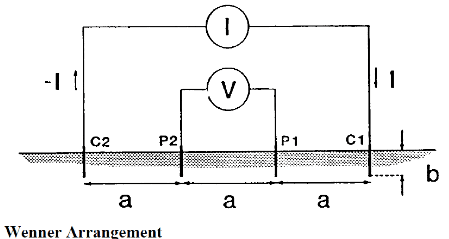
What is Soil Resistivity Testing?
June 3, 2020
The ability of a grounding system to conduct a fault current into the soil is directly dependent on the resistivity…

In the field of electronic equipment protection, grounding and surge suppression systems play a critical role. These systems are exceptionally vital for safeguarding highly specialized electronic devices from the destructive forces of lightning. This article intends to shed light on the importance of these systems and their role in ensuring the longevity and functionality of sensitive electronic equipment.
Lightning, a natural phenomenon, is a powerful and unpredictable force that can cause significant damage to electronic systems. It generates an electromagnetic pulse that can induce high voltage surges in electrical circuits, leading to catastrophic failures in electronic equipment. This is where grounding and surge suppression systems come into play.
Grounding, in the context of electrical systems, is a safety measure that directs the electrical energy from a lightning strike safely into the earth, thereby protecting the electronic equipment. It provides a direct physical connection between an electrical device and the earth, safely dissipating any excess electricity. Without a proper grounding system, the excess electrical energy from a lightning strike can travel through the electronic equipment, causing severe damage or even complete destruction.
Surge suppression systems, conversely, are designed to protect electronic devices from voltage spikes on the electrical or communication conductors caused by lightning strikes. These systems detect and divert the excess voltage to the ground, preventing it from reaching the sensitive electronic components. Surge suppressors act as a shield, absorbing the high voltage surges and allowing only the normal voltage to pass through to the equipment.
The effectiveness of Surge Protection Devices (SPDs) is intrinsically linked to the quality of the grounding system. A low-resistance grounding system is crucial as it provides a direct, unimpeded path for the surge energy to be safely dissipated into the earth. Without a proper grounding system, the SPD cannot function optimally, leading to potential overvoltage that can damage sensitive electronic equipment.
Therefore, to ensure the highest level of protection against electrical surges, a well-designed, low-resistance grounding system is as essential as the surge suppression system itself. Most SPD manufacturers recommend a system’s ground resistance level of 5 ohms. Much lower than a typical electrical service entrance grounding system.
The importance of grounding and surge suppression systems becomes even more pronounced when dealing with highly specialized electronic equipment. These devices, often integral to industries like telecommunications, healthcare, and aerospace, are designed to operate under precise conditions and can be extremely sensitive to voltage fluctuations. A single lightning-induced surge can cause irreversible damage, leading to significant financial losses and operational downtime.
Moreover, the data stored within these devices can be invaluable, and its loss can have far-reaching implications. By implementing grounding and surge suppression systems, organizations can protect their critical infrastructure, maintain operational continuity, and safeguard their valuable data.
In conclusion, grounding and surge suppression systems are not just optional add-ons but are essential components in the protection strategy for highly specialized electronic equipment. They provide a robust defense against the destructive forces of lightning, ensuring that the equipment continues to function optimally and reliably. Investing in these systems is not an expense but a strategic move towards safeguarding valuable assets, ensuring business continuity, and ultimately, driving success in today’s digitally driven world.